


Introduction
Osteo-articular trauma is one of the leading reasons for medical intervention among travelers in Tunisia.
Falls in hotels, excursion accidents, water activities or urban travel frequently expose visitors to severe sprains, fractures or complex trauma.
Quality of care depends on rapid medical assessment, access to imaging and coordination with orthopedic facilities and international insurers.
Tunisia has a network of modern private clinics that enables rapid diagnosis and care aligned with European standards.
Immediate management after a fall or trauma
Objective: stabilize, relieve pain and prevent complications.
Priority measures:
- Immediate immobilization of the injured limb
- No weight-bearing in case of severe pain
- Local cold application to limit swelling and inflammation
- Elevation of the limb when possible
- Neurovascular assessment: color, warmth, sensation, distal mobility
Warning signs requiring urgent care:
- Extreme pain
- Numbness or paresthesia
- Visible deformity
- Total functional incapacity
Ambulance indications and medicalized transfer
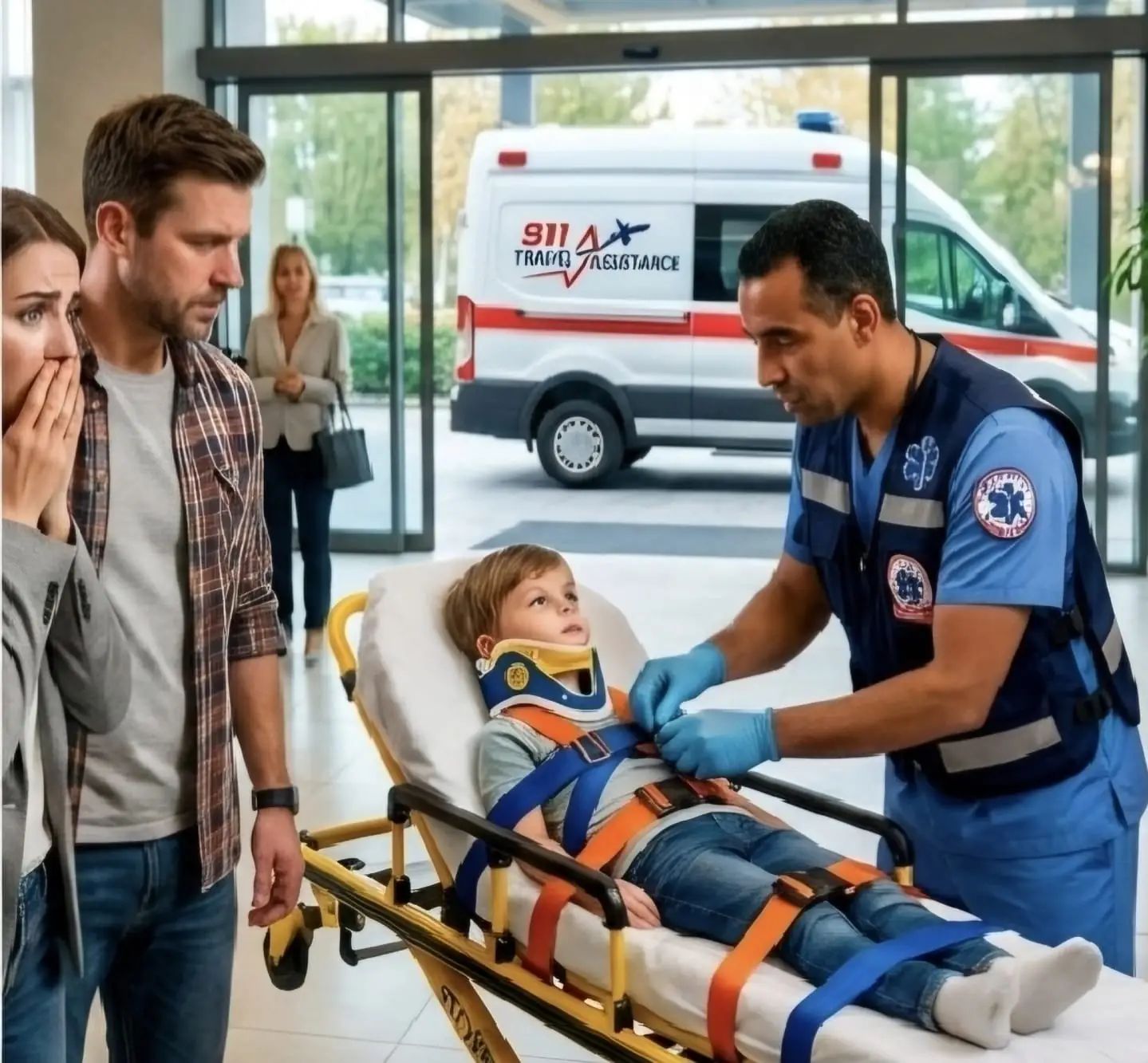
Formal indications for medical transport:
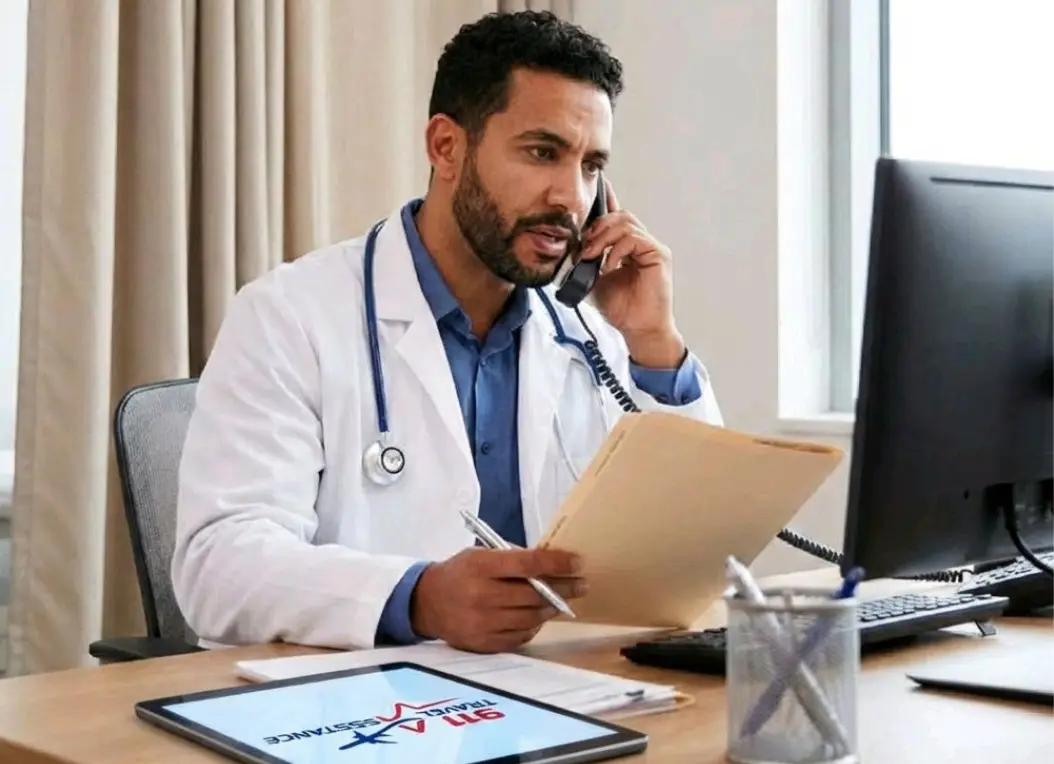
Coordination with travel insurance can be initiated as early as the transfer stage.
- Suspected displaced fracture
- Obvious bone deformity
- Uncontrolled pain
- Total inability to move or bear weight
- Associated head trauma
- Acute illness, hypotension or polytrauma context
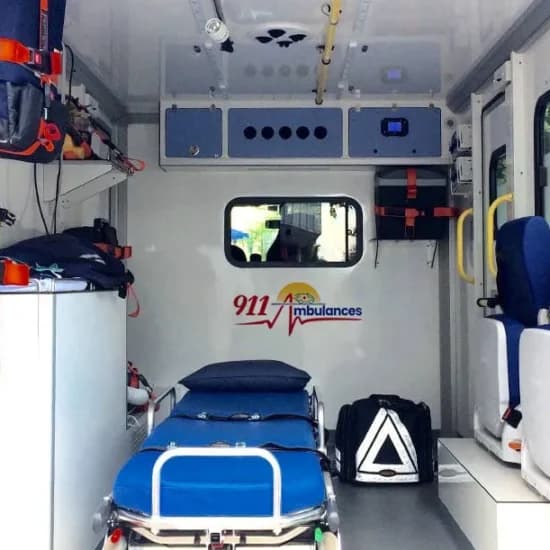
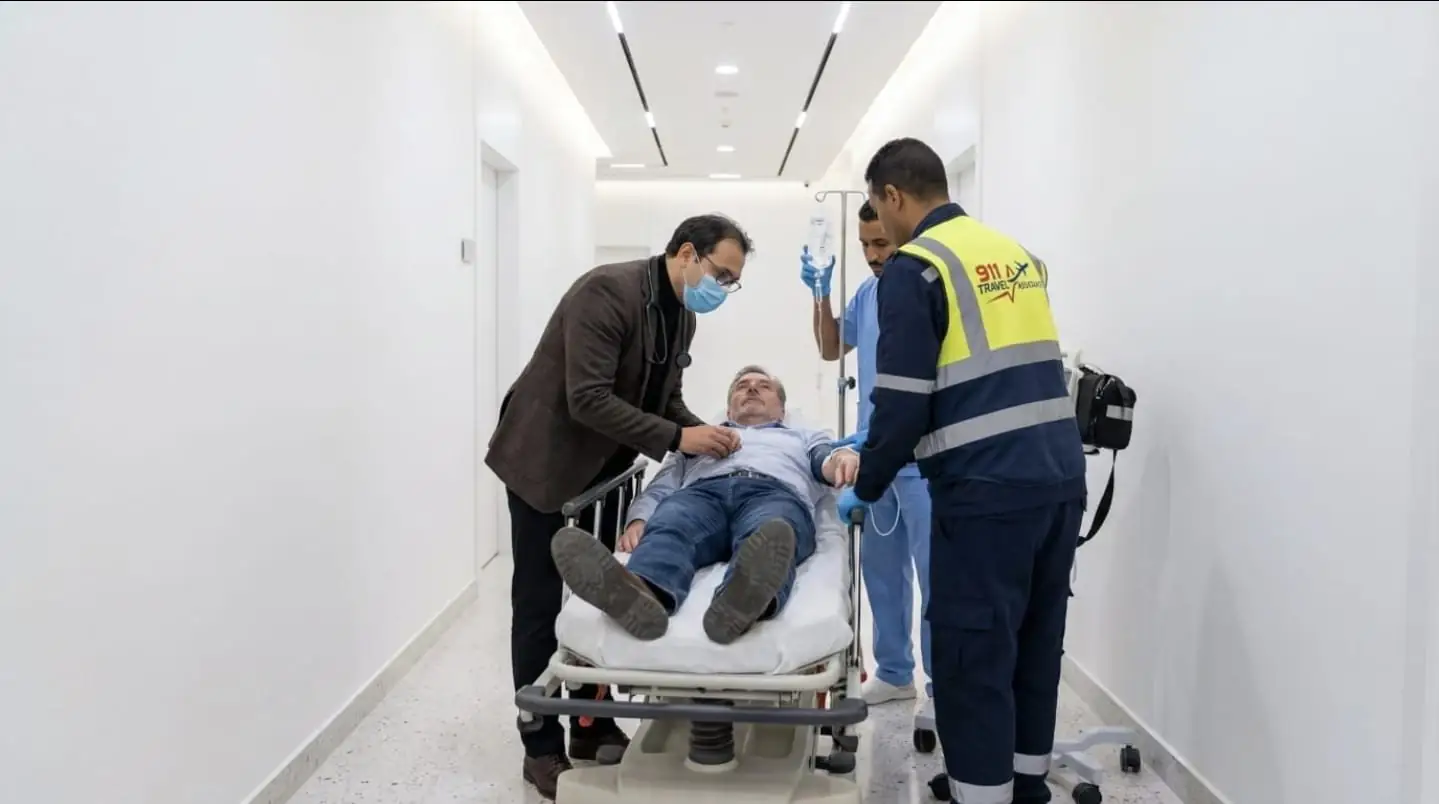
Transport by private medicalized ambulance allows:
- Secure immobilization
- Intravenous pain management
- Hemodynamic monitoring
- Direct admission to the right private clinic
Imaging and orthopedic diagnosis in Tunisia
Private clinics in Tunisia have complete technical facilities for rapid diagnosis.
Available examinations:
Accurate diagnosis makes it possible to move immediately toward conservative or surgical treatment.
Digital transmission of imaging can be organized to insurers or referring international physicians.
- Standard X-ray as first-line imaging
- CT scan for complex or joint fractures
- MRI for ligament, meniscal or tendon injuries
- Musculoskeletal ultrasound when indicated
Orthopedic treatment and pain management
The objective is rapid, secure treatment compatible with continuation of the stay or organization of the return journey.
Sprains
- Functional brace or immobilization
- Pain relief and anti-inflammatory treatment
- Rest and monitoring
- Scheduled clinical reassessment
Fractures
- Cast immobilization or splint
- Orthopedic reduction when needed
- Private-clinic surgery for unstable or displaced fractures
- Post-operative follow-up and radiological control
Travel-insurance coordination and administrative management
For insured travelers, administrative handling is a key part of the case.
Documents systematically provided:
- Detailed medical report
- Imaging and radiology reports
- Prescriptions and invoices
- Medical certificate for insurance
- Transport or repatriation justification when needed
Direct coordination is possible with:
- International travel insurers
- Medical assistance platforms
- Medical advisors
- Return journey or medical repatriation organization
Conclusion
Tunisia offers rapid, structured management of tourist trauma through a network of capable private clinics, mobile medical teams and efficient coordination with international insurers.
Early medical intervention secures the diagnosis, relieves pain, stabilizes fractures and organizes the rest of the stay or the return journey under optimal medical conditions.